Concrete or Modular Blast Wall? Choosing Protection for Existing Facilities
On October 10, 2026, UN Secretary-GeneralAntónio Guterres condemned an attack on Riyadh’s KingKhalid International Airport, according to Xinhua.
The incident brought renewed attention tothe protection of civilian infrastructure.A practical question follows: doesadditional protection require major reconstruction, or could a modular barriermeet the project's needs?
Choosing Between Concrete and Modular Protection
Concrete walls may suit permanentstructures designed around specific blast-resistance requirements. However, newconstruction can involve substantial groundwork, formwork, curing time anddisruption to existing operations.
A modular Blast Wall offers another optionfor suitable projects.
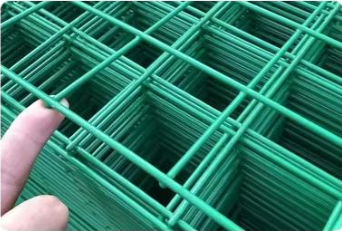
Its welded steel mesh units are connectedand filled with appropriate material on site. Rather than casting a continuouswall, project teams can configure the system around a designated area.
Where a Modular Blast Wall May Fit
1.Equipment compounds: Establish aprotective boundary around selected utility or industrial assets.
2.Infrastructure facilities: Add a barrieraround a designated operational zone.
3.Sites with limited construction access:Consider an assembly-based system where conventional building work presentslogistical challenges.
4.Projects requiring configurable layouts:Plan barrier sections around the actual site dimensions.
Compare the Requirements Before theMaterials
A useful quotation should address more thanthe price per metre.
Buyers should compare the requiredperformance, installation conditions, project schedule and long-termmaintenance needs.
For a suitable application, modularconstruction may provide a practical alternative to a newly cast wall. Fordemanding blast threats, engineering verification must come first.
Planning a security upgrade for anexisting facility?
Send your required dimensions, siteconditions and protection criteria to discuss a suitable Blast Wall configuration.