When a 50-Year-Old Riverbank Defence Starts to Fail: Welded Wire Netting for Riverbank Protection
A riverbank protection system can looksolid for decades—until the river starts taking pieces of it away.
That is now happening at Welshmill inFrome, UK. The riverbank revetment was built in 1971 after severe flooding inthe area. More than five decades later, river flows and natural ageing haveleft parts of the stone surface cracked, with some material washed away and sectionsbecoming unstable. Further erosion could eventually affect the riverbank andnearby public footpath.
The Environment Agency has begun repairs,including damaged stone pitching, permanent support piles and stabilization oferoded sections.
How should vulnerable sections bereinforced when stone remains part of the protection system?
1.Keeping Stone Where the River Wants toMove It
Rather than treating stone as a loosesurface layer, welded wire netting can form a confined protective structurearound the stone. The mesh holds the material together while allowing engineersto build protection around the existing shape of a bank.
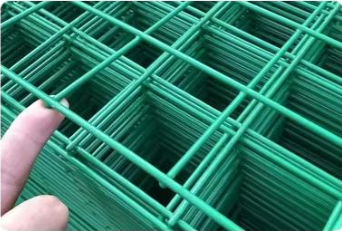
Our welded wire netting is available ingalvanized steel or PVC-coated wire, with mesh openings and wire diametersselected according to the project.
2.Designed for the Part of the Bank ThatNeeds Attention
Welshmill is also a reminder that riverbankwork is rarely about one uniform surface. Some sections may remain stable whileothers experience repeated water impact.
That makes localized protection important.
Welded wire netting can be supplied inmodular rolls and adapted to riverbanks, drainage channels, erosion-proneslopes and other areas where stone needs additional confinement.
It can also work alongside natural stone,allowing the existing landscape character to remain visible.